Scaffolding's bigger story: Tone Scaffolding goes against the tide at Barking Creek Barrier
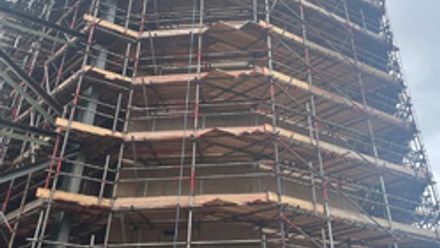
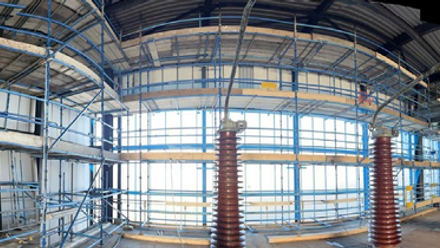
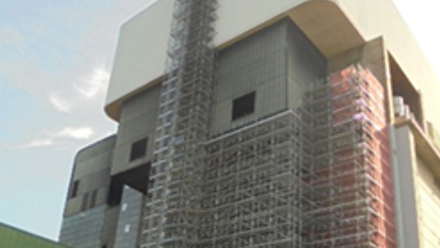
From tidal barriers and nuclear power stations to film sets, hospitals and heritage sites, scaffolding has a remarkable story to tell.
A clear theme has been emerging recently around NASC HQ: scaffolding is an extraordinarily broad church. For the industry's reputation today, and for its ability to attract the next generation of starters tomorrow, that story needs to be told more clearly, more confidently and more often.
This is scaffolding, in all its remarkable breadth and complexity. What a story the industry has to tell.
Against the tide
Tone Scaffolding Services Ltd was appointed by Balfour Beatty to deliver the full scaffold access package for the refurbishment of Gate 3 at the Barking Creek Barrier, one of London's critical tidal flood defence structures.
The project became one of the most technically demanding and logistically challenging scaffolding operations undertaken by the company, involving the design, erection, adaptation and dismantling of a large, suspended access scaffold system within a live operational tidal environment.
Scale and complexity
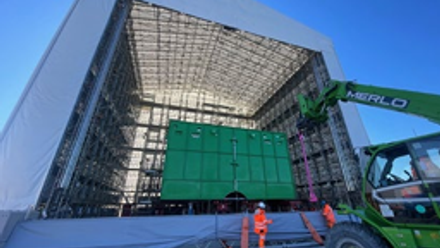
The scaffold package was substantial in both scale and complexity. The primary scaffold arrangement consisted of engineered support structures positioned from the east and west concrete piers of the barrier, supporting a large, suspended access scaffold system beneath and around the tidal gate structure.
The arrangement allowed specialist contractors to safely undertake abrasive blasting, steel repairs and protective coating works to areas that would otherwise have been extremely difficult to access.
Working with the tide
One of the key engineering challenges involved the restricted tidal working environment and the operational limitations imposed by the live barrier structure. Scaffold erection sequences had to be carefully planned around tide movements, restricted lifting operations and narrow working windows.
Several lower scaffold sections and modular beam arrangements were specifically designed to be removable and reinstalled within short operational shutdown periods to accommodate barrier requirements.
Bespoke support brackets were fabricated to assist with the safe landing and positioning of bridging beam sections during erection, significantly reducing manual handling risks and improving overall installation control.
The scaffold structure itself underwent ongoing modifications as refurbishment works progressed through different phases. Independent advanced scaffold inspectors carried out additional inspections throughout the erection and adaptation process to ensure continued compliance with scaffold design criteria and operational safety requirements.
Protecting the environment
Environmental management was also front and centre. Full encapsulation systems were installed around the scaffold structure to contain blasting residues, coatings and debris during refurbishment activities.
Purpose-built guttering and waste collection systems were incorporated throughout the scaffold arrangement to ensure contaminated water and debris were safely collected and directed into controlled holding tanks, preventing uncontrolled discharge into the surrounding tidal environment.
Operations were temporarily suspended following the discovery of nesting crows and peregrine falcons on and around the barrier structure. Tone Scaffolding worked closely with the Environment Agency and the principal contractor to revise work sequencing, reduce disturbance around protected nesting areas and maintain compliance with environmental protection requirements.
The completed scaffold solution provided safe and reliable access throughout the refurbishment programme while supporting the long-term resilience and maintenance of critical flood defence infrastructure protecting the surrounding area.