Updated helmet standards: what contractors need to know
Two updated helmet standards, EN 397:2025 and EN 50365:2023, have recently come into effect and while they do not signal a dramatic shift for the scaffolding industry, they do formalise a direction of travel that has already been playing out on sites across the country.
EN 397:2025 now classifies helmets into two types. Type 1 offers protection from vertical impacts only, while Type 2 offers protection from impacts to the top and sides.
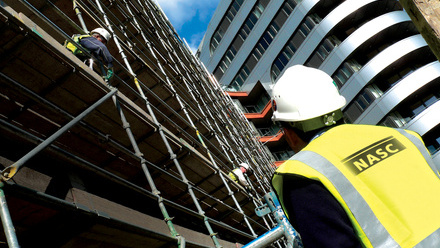
Given the real risk of side impacts in scaffolding work, Type 2 helmets are likely to become the expected standard for the sector. The updated standard also strengthens chinstrap requirements, making correct wearing as important as wearing a helmet at all.
Electrical protection now sits under EN 50365:2023, with an important implication for scaffolders working near overhead lines or temporary site electrics. Only non-vented helmets can carry an electrical rating, meaning vented climbing-style helmets will not always be suitable in those environments.
PPE compatibility has also become more significant, with helmets now required to be tested and approved alongside accessories such as visors, ear defenders and head torches as a complete system.
Mark Collinson, NASC Head of Technical, said: "These updated standards formalise what the industry has already been moving towards. Scaffolding contractors should use this as an opportunity to review their procurement processes, update risk assessments and ensure their teams are wearing helmets correctly.
“There is no immediate legal requirement to replace existing equipment, but getting ahead of the new requirements now is the right approach."
The full practical checklist for contractors includes reviewing PPE compatibility, involving scaffolders in helmet selection, beginning the transition to Type 2 helmets where appropriate, and monitoring correct use on site.