






£5.15
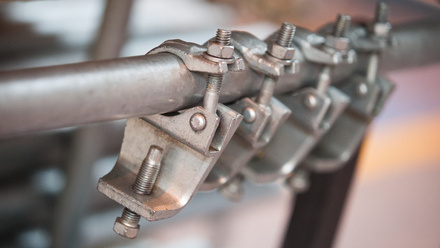
In order to be able to visually identify EN74 certified couplers, this guidance document identifies the specification and minimum markings to be found on all EN74-1:2005 and EN74-1:2022 scaffold couplers, together with brief details regarding the differences between the two standards.
This product is available in PDF format only.
2 pages
This guidance note is concerned with advice for the safe erection, use and dismantling of temporary suspended chutes intended for the conveyance of waste construction materials. The guidance covers chutes constructed of detachable sections made of metal or non-metallic material, attached to scaffolding. 4 pages
This document provides best practice for the use and application of steel and aluminium prefabricated beams. Included is information regarding beam types, uses, joints, handling, transportation and storage. Due to the wide variation of beams available on the market, it has not been possible to include individual load capacities, but information regarding tension and compression chords, correct methods of lacing, bracing and connections to standards and puncheons provides vital information to ensure that beams are correctly installed to support their maximum safe working loads. This guidance is available for pdf download only.
Aluminium tubes, prefabricated beams and other components are widely used throughout the scaffolding industry. Whilst aluminium is not as stiff as steel and will deflect more when subjected to equivalent loads, it is much lighter and provides great advantages with regard to manual handling or the reduction weight. As aluminium couplers are not readily available, aluminium tube and beams are invariably connected with steel couplers and joint pins. Unfortunately, when two dissimilar metals such as aluminium and steel are in contact, a phenomenon known as ‘galvanic corrosion’ can occur where the corrosion of one of the metals, in this case aluminium, can be greatly accelerated. In severe cases this could seriously affect the integrity of the scaffold structure.
When in use, scaffold boards are often subjected to harsh conditions and mistreatment and may deteriorate to such an extent that they become unsafe. To ensure that they remain in a safe and serviceable condition, they should be subjected to regular inspections/checks and where necessary repaired/refurbished to ensure that they remain fit for purpose. This document provides guidance on the inspection, care and maintenance of scaffold boards to maximise their operational service life. This guidance is available for pdf download only.
Please enter a postcode to search for a member:
Please complete the fields below: