Industry voice: Lydia Stanton on training funding

As Chair of the Training and Education Committee for the National Access and Scaffolding Confederation (NASC), I feel compelled to comment on behalf of our members regarding the growing challenges surrounding training funding within the scaffolding sector.
Until September 2025, small to medium-sized scaffolding companies were able to access the Skills and Training Fund through the Construction Industry Training Board (CITB). Depending on the number of directly employed operatives, firms could receive up to £25,000 a year to fully fund scaffolding courses. Crucially, this funding was made available in advance of course bookings, allowing businesses to plan training without the immediate burden on cash flow. For many companies, including here at Star Scaffolding, this had a transformational effect and made a real difference.
Following the closure of that fund, Employer Networks became the primary alternative, initially covering 70% of scaffolding course costs. This was later reduced to 50%. We have now been informed that this pot has run out. In a statement, CITB, said:
“Following the recent increase in Employer Network (EN) uptake, the EN allocation for this financial year is now fully committed. As a result, we’re unable to accept any new EN booking requests for delivery up to and including 31 March 2026.”
This sudden halt has left many businesses in an extremely difficult position.
While CITB grants remain available upon completion of courses, these amount to £500 for Part 1, Part 2 and Advanced scaffolding courses. With course fees typically ranging between £1,500 and £2,000, employers are now having to fund most of the costs themselves. And this doesn’t account for the additional pressures businesses face, such as paying operatives’ wages while they attend training, covering upfront course payments and absorbing rising employment and operational costs. The financial strain across our sector from what may seem a small change, has been very large and very real.
This is happening at a time when we all recognise there is a national shortage of qualified scaffolders. Our sector is actively investing time and effort into attracting new entrants and creating pathways into scaffolding. But this reduction in funding support significantly increases the burden on employers who are already striving to grow and upskill the workforce.
On behalf of the NASC Training and Education Committee, I echo recent messages from our members that things need to change. We need greater support, clearer and more accessible funding routes and increased financial assistance for upskilling our existing workforce. Without this, we risk creating further barriers to workforce growth at a time when the industry – and the UK economy as a whole – can least afford it.
At the same time I feel it is important to acknowledge the excellent work CITB delivers in supporting apprenticeships. That provision is strong and valued. But when it comes to upskilling and developing non apprentice, some reform is urgently needed.
One positive step forward would be for NASC to become the Sector Representative Organisation (SRO). An application for this to happen is in progress and it would enable direct communication between our sector and CITB, ensuring that the specific challenges facing scaffolding businesses are more clearly understood and addressed at a strategic level across the organisation.
Our industry is fully ready to play its part in building capacity and raising standards, and in maintaining a high quality of health and safety and safe working at height across the industry. But we now need the funding framework to support that ambition.
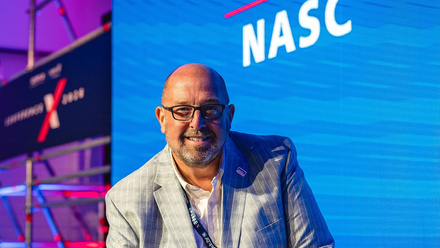
Lydia Stanton is Commercial Director at Star Scaffolding and Chair of NASC’s Training and Education Committee