The other side of the skills gap: why retention is construction's missing conversation
The scaffolding and access sector has spent years focused on the challenge of attracting new people into the industry. It is an important conversation, and one that NASC has been central to through its careers initiatives, apprenticeship support and outreach work. But according to Danny Clarke, Engagement Director for England at CITB, the industry may be looking at the wrong end of the problem.

Writing in the March edition of Scaffolding Insider, Danny argues that retention, not recruitment, is construction's biggest skills challenge. The evidence supports him. UK research consistently highlights a widening gap between the number of people entering construction training and those who go on to sustained employment in the sector. CITB's own evaluation of retention initiatives shows that employer engagement, clear progression pathways and early work readiness are the critical factors in keeping people in the industry beyond their initial qualification.
The scale of the challenge ahead makes this more urgent than ever. Industry forecasts suggest the UK will need hundreds of thousands of additional construction workers over the next decade, driven by housing targets, infrastructure investment and the transition to net zero. At the same time, a significant proportion of the existing workforce is approaching retirement. Recruiting more people without addressing the reasons they leave is not a sustainable response.
What does make a difference, Danny argues, is helping people see a future in the industry. Workers are far more likely to stay when they understand their career options, feel genuinely invested in and can see clear routes for progression. Put simply, people do not just want a job. They want a career.
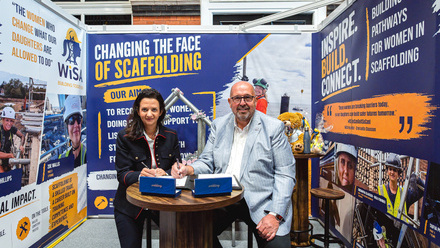
Events like ScaffEx have a role to play here too. Danny reflects on attending ScaffEx25 and the energy in the room at the conference sessions, noting that the appetite among scaffolding professionals to engage with questions about the industry's future was unmistakable. These gatherings challenge the outdated perceptions of construction that still influence too many young people through schools, careers advice and family expectations, and they help demonstrate that scaffolding is innovative, technical and full of opportunity.
The message NASC and the wider industry needs to communicate more clearly, Danny suggests, is that scaffolding offers something few sectors can match: a visible, lasting legacy. The buildings and structures that scaffolders help to build and maintain shape everyday life. That sense of pride and purpose matters just as much as pay when it comes to keeping people in the industry for the long term.
The next 20 years of construction can genuinely be exciting and rewarding. But only if the industry commits to keeping the people who choose to build that future with us.